Perforated cable trays and ladder cable trays are two common cable management solutions commonly used for industrial and commercial cable support, layout, and management. They are usually made of metals such as steel, stainless steel, and aluminum alloy, which have good strength and durability, making the structure very sturdy and providing protection for the cables inside the tray, avoiding external physical damage and other factors. Although the two have similar functions and roles, there are still many differences between them due to their different designed structures. Generally speaking, perforated cable trays are commonly used for supporting lightweight cables, while ladder cable trays are commonly used for supporting heavy-duty cables. There are many other differences between them, and we will elaborate on them in detail from the following aspects:
1.What is perforated cable tray?
2.What is ladder type cable tray?
3.What Are Similarities Between Perforated Cable Tray vs Ladder Type Cable Tray?
4.What Are Differences of Perforated Cable Tray vs Ladder Type Cable Tray?
5.How To Choose Right Cable Tray between Perforated Type and Ladder Type?
6.Conclusion
JLH Electric is a manufacturer with 15 years of experience in cable tray production and manufacturing. We have professional production lines for perforated cable trays and ladder cable trays, as well as government authorized galvanizing tanks, ensuring the stability of the quality of the cable trays we produce. In this article, we mainly discussed and compared the differences between the two, which we believe will play an important role in helping you choose the cable tray that suits you between the two.
1.What is perforated cable tray?
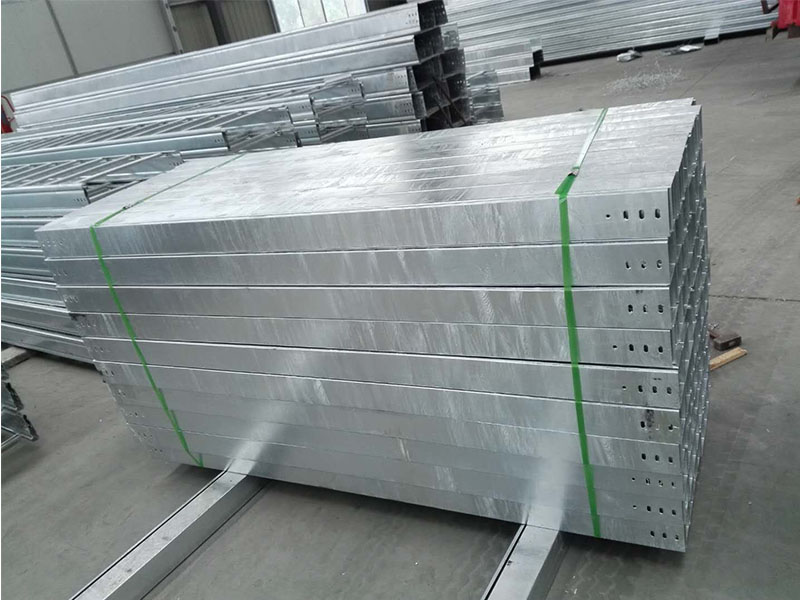
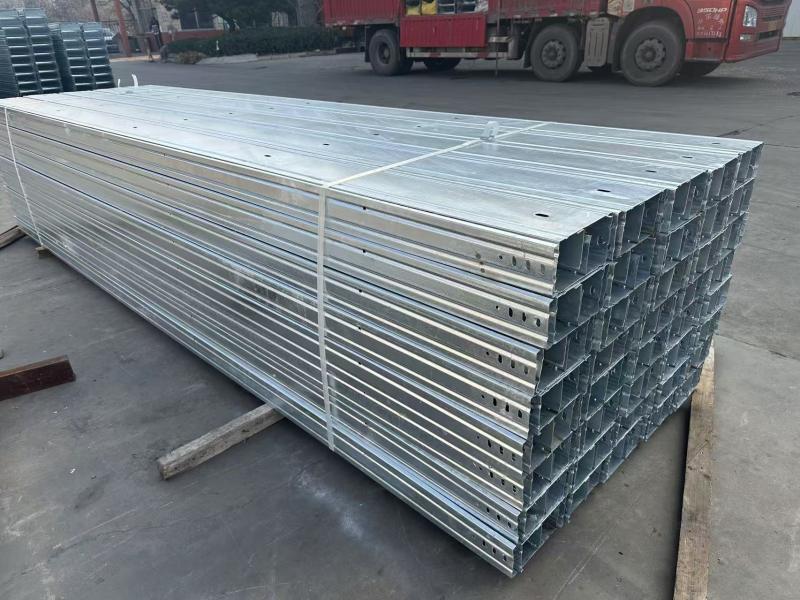
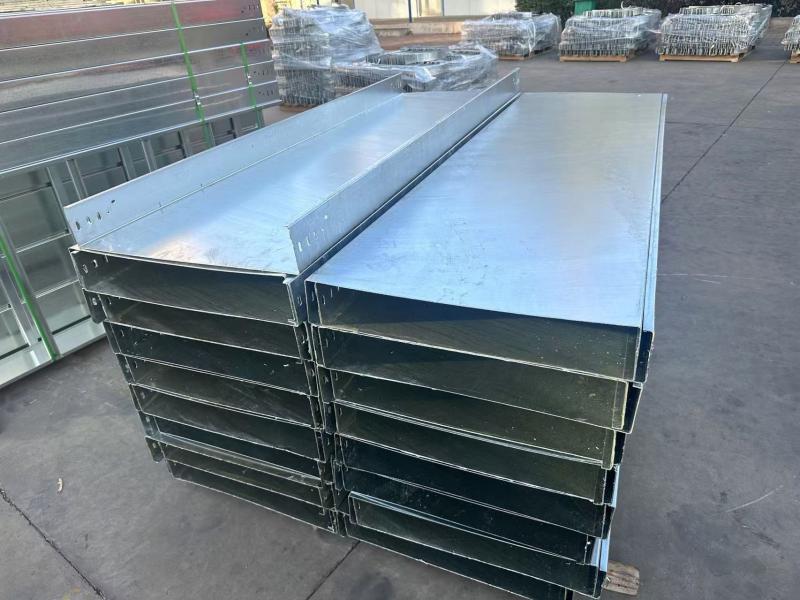
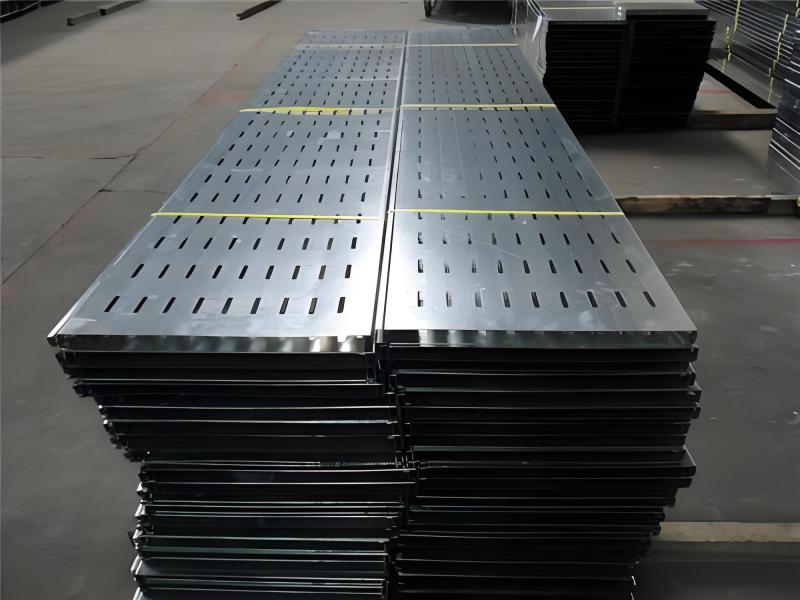
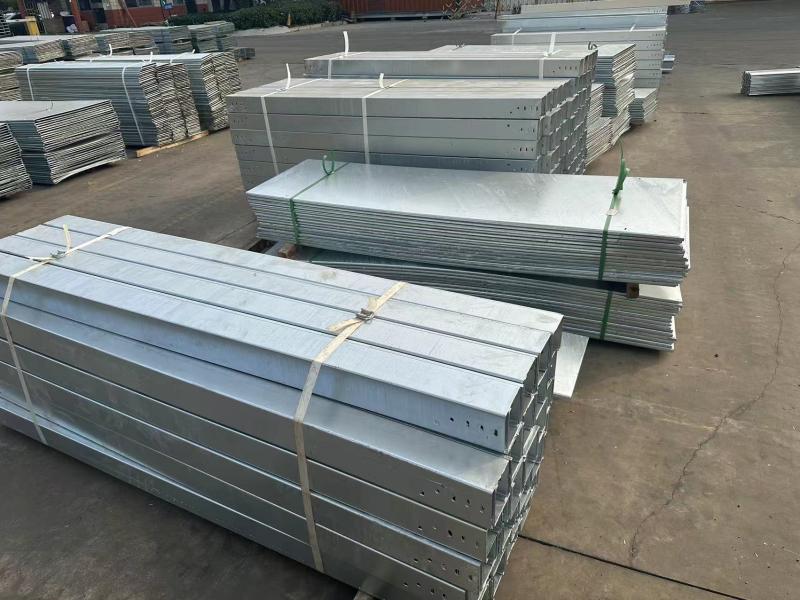
Perforated cable tray is a specially designed cable management system with holes of different shapes and sizes on its surface, which increases ventilation and helps dissipate heat from cables, extending their service life. Perforated cable trays are usually made of metal, such as steel, aluminum, stainless steel, etc., so they have a sturdy structure and strength, which can provide additional protection to prevent cables from being mechanically damaged or corroded by external environmental factors. We can also customize different tray sizes and hole sizes according to your specific application needs to accommodate different cable types and quantities. For places with high ventilation and heat dissipation requirements, such as industrial facilities, data centers, and other areas with dense cable distribution, perforated cable trays are an excellent cable management choice.
2.What is ladder type cable tray?
Ladder cable tray is a common cable management solution, consisting of vertical plates on both sides and a series of horizontal trapezoidal ladder steps, shaped like a ladder, hence its name. This design provides good ventilation performance, suitable for cable heat dissipation, and also facilitates cable installation and maintenance. In addition, the open structure of the trapezoidal cable tray also helps reduce the accumulation of dust and water on the cables, reducing frequent maintenance and upkeep in the later stage. Ladder cable trays are usually composed of metal structures such as steel, aluminum, stainless steel, etc., which have excellent strength and durability, and can achieve good support and protection effects for cables. Trapezoidal cable trays are commonly used for laying power cables, especially those with larger diameters and heavier weights, as they require trays with high load-bearing capacity and good mechanical strength. They are widely used in cable laying and management in various fields such as construction engineering and industrial facilities.


3.What Are Similarities Between Perforated Cable Tray vs Ladder Type Cable Tray?
3.1Similar Material
Whether it is perforated cable trays or ladder cable trays, they are usually made of sturdy materials such as steel, stainless steel, aluminum alloy, fiberglass, etc., which can achieve good support and protection for cables.
3.2Good heat dissipation
Due to the open design of perforated cable trays and ladder cable trays, they both have excellent ventilation and heat dissipation effects, helping cables dissipate heat and maintain their normal operation.
3.3Easy to install and maintain
Because both types of cable trays adopt an open structure, it is very easy to install and maintain cables, making later maintenance and upkeep simple.
3.4 Similar Manufacturing Process
The manufacturing process of perforated cable trays and ladder cable trays is similar, including sheet forming, slotting, cutting, bending, as well as various post-processing steps such as cleaning, labeling, packaging, annealing, painting, electroplating, and welding. They also have similar surface treatment processes, such as powder coating, galvanizing, hot-dip coating, anodizing, etc.
3.5 Similar Functions
Both perforated cable trays and trapezoidal cable trays have the functions of supporting, laying out, and managing cables. They have similar functions and are widely used in construction projects, infrastructure construction, industrial facilities, and commercial buildings, playing a very important role.
4.What Are Differences of Perforated Cable Tray vs Ladder Type Cable Tray?
4.1Different Structure
The structure of perforated cable trays is significantly different from that of ladder cable trays. Perforated cable trays consist of perforated bottom and side plates, which facilitate ventilation and heat dissipation of cables. The structure of a ladder type cable tray is composed of side rails on both sides and a crossbar in the middle, forming a ladder like structure, hence the name, which can be used to lay large cables.
4.2Different Cable Weight Support
The cable carrying capacity of perforated cable trays and ladder cable trays is also different. Compared with ladder cable trays, perforated cable trays have a relatively average carrying capacity. Due to the interconnected crossbars of the ladder type cable tray, the structure is more stable and sturdy, and can carry large cables with larger diameters and sizes, with extremely strong load-bearing capacity.
4.3 Different Cable Protection
Both types of cable trays have certain protection capabilities for cables, but due to their different structural designs, their protection capabilities for cables are different. Although perforated cable trays have perforated designs of different shapes and sizes on the surface, they belong to a relatively enclosed design, which can protect the internal cables from physical damage and external factors. Ladder cable trays have sturdy crossbars and enclosed structures, providing better protection and preventing physical damage and external factors.
4.4 Different Applications
The application fields of perforated cable trays and ladder cable trays are also different. Perforated cable trays, due to their open design, can provide good ventilation and heat dissipation effects, and are mainly used in industrial facilities, data centers, and other places and environments that require high ventilation and heat dissipation. Ladder cable trays are often used in industrial environments, large commercial buildings, and outdoor facilities that require heavy cable support.
4.5 Different Appearance or Aesthetic Preferences
Perforated cable trays and ladder cable trays also differ in appearance and aesthetic preferences. The perforated cable tray adopts an open design, which makes the surface more beautiful and tidy. It is more suitable for places with high aesthetic requirements, such as shopping malls, supermarkets, commercial buildings, and residential buildings. The trapezoidal cable tray adopts a sturdy crossbar and enclosed structure, which is suitable for carrying large cables. However, its appearance is biased towards industrial design and may not be suitable for use in places with high aesthetic requirements such as shopping malls, supermarkets, commercial buildings, and residences.

5.How To Choose Right Cable Tray between Perforated Type and Ladder Type?
When choosing between perforated cable trays and ladder cable trays, the main considerations are cable support requirements, cable protection requirements, accessibility, aesthetic preferences, and other factors.
5.1Cable Support Requirements
When choosing between these two options, the first thing to consider is the support requirements of the cable. Perforated cable trays, due to their open design structure, provide good ventilation and heat dissipation performance, making them suitable for environments that require a large amount of air circulation. The ladder type cable tray, due to its sturdy structure, can carry heavy cable loads and is suitable for situations with many or heavy cables. When choosing, the most suitable tray type should be determined based on the weight, quantity, and spatial limitations of the installation environment of the cables.
5.2Cable Protection Requirements
Cable protection is another important consideration. Perforated cable trays, due to their open design, have good ventilation but relatively weak physical protection for cables, making them suitable for environments with low requirements for cable protection. On the contrary, ladder cable trays, due to their good sealing properties, can provide more physical protection for cables and are suitable for situations where mechanical damage or small animal intrusion needs to be prevented.
5.3Accessibility
Accessibility refers to the convenience of installing, maintaining, or inspecting cables. Due to its open structure, the ladder type cable tray makes the installation and maintenance of cables relatively easy, making it convenient for technicians to operate. Although perforated cable trays have good ventilation, in some cases, the maintenance of cables may become complicated due to their structural limitations.
5.4Aesthetic Preferences
Aesthetic preference is also a factor that cannot be ignored. Perforated cable trays, due to their unique design, often give a modern and minimalist feel, making them suitable for occasions that pursue aesthetics and design sense. The ladder type cable tray, due to its traditional appearance, may be more suitable for industrial or traditional style environments. When selecting cable trays, consideration should be given to their coordination with the surrounding environment and whether they meet design and aesthetic requirements.
6.Conclusion
Perforated cable trays and ladder cable trays have similarities in raw materials, manufacturing processes, heat dissipation performance, installation and maintenance, and functionality. However, there are still significant differences in design structure, cable load-bearing capacity, cable protection capability, appearance and aesthetics, as well as application areas. Therefore, in the choice between the two, it is necessary to carefully evaluate these factors to make a suitable cable tray selection for oneself.
JLH Electric has always regarded quality as the foundation of enterprise development, providing high-quality cable trays at competitive market prices. If you have any product issues, please feel free to contact us and we will provide you with professional guidance and advice.