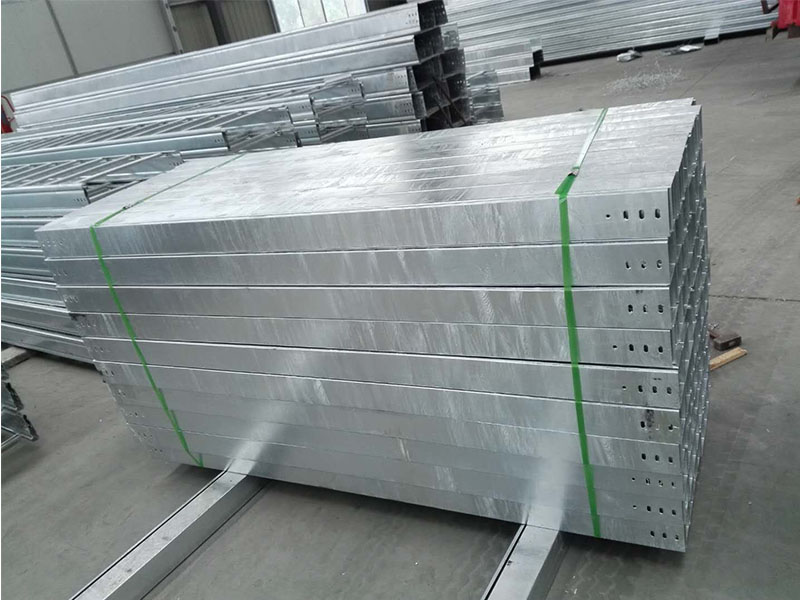
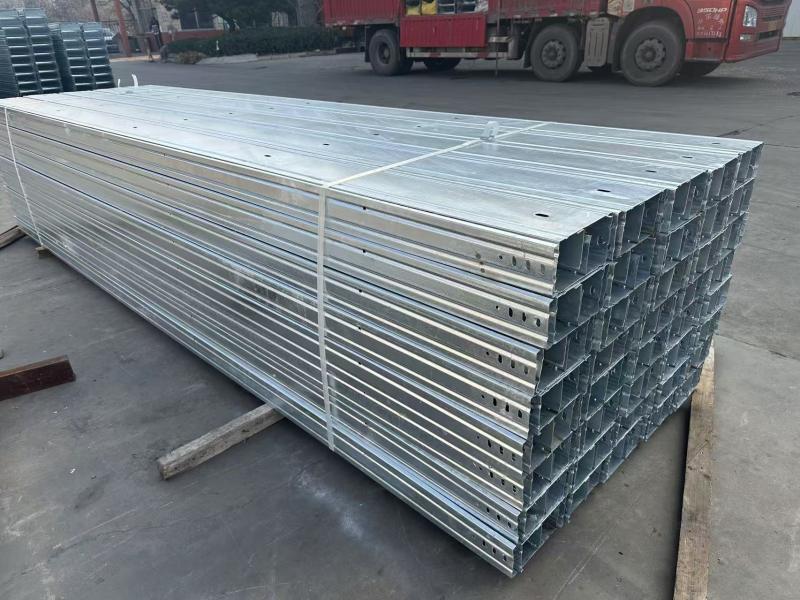
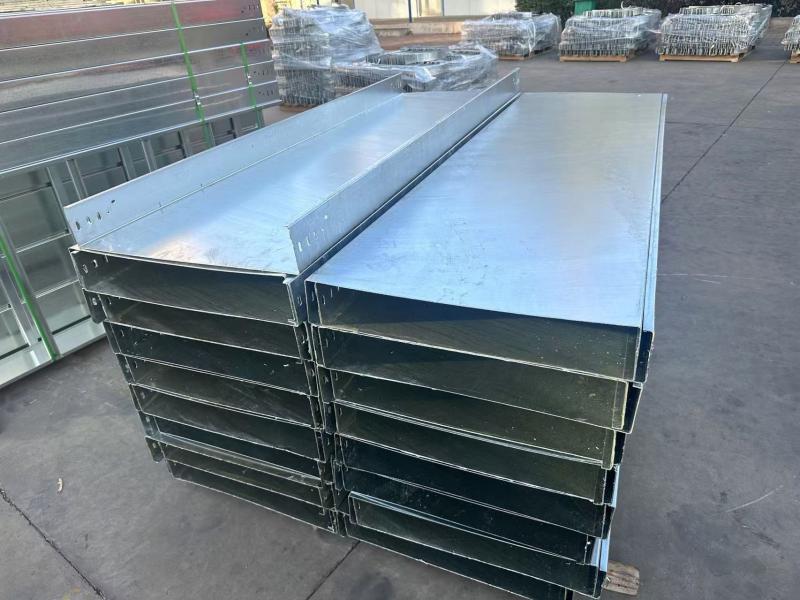
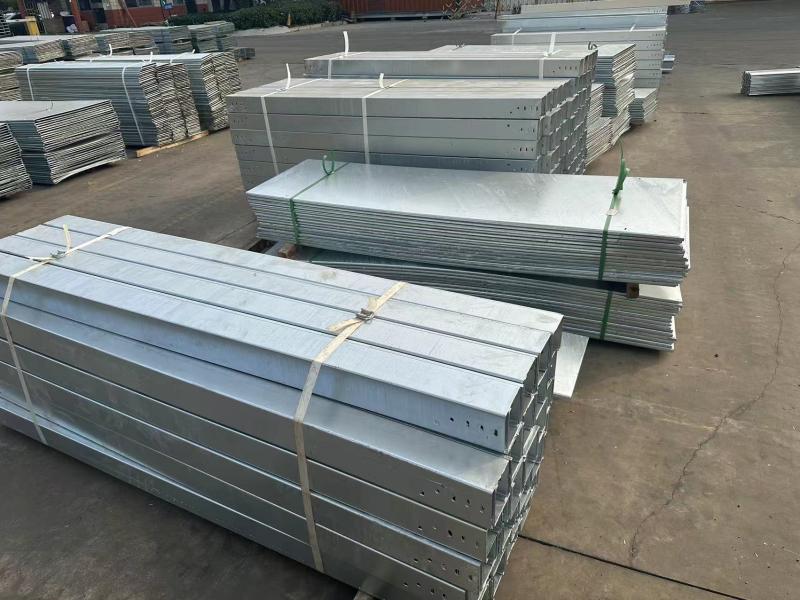
Perforated cable tray is a key cable management solution that plays a vital role in the arrangement, support and protection of cables. This type of cable tray is usually made of steel, so it has a solid structure and good rigidity. At the same time, it can also enhance its environmental adaptability, such as moisture-proof, fire-proof and corrosion-proof, through surface treatment technologies such as electrogalvanizing, hot-dip galvanizing or spraying. For this reason, perforated cable trays have been widely used in many fields and occasions such as engineering buildings, industrial facilities, commercial residences, etc., and have become one of the preferred solutions for cable management.
JLH Electric is a manufacturer specializing in the production of various types of cable trays. With more than ten years of production experience, it is equipped with advanced production equipment and has established a complete after-sales service system to ensure that your after-sales problems are solved. Our main products include: perforated cable trays, cable trunkings, ladder type cable trays, and various accessories for installation. We also provide customized services, including the size and thickness of the bridge.
In this article, we will explore how to choose the right perforated cable tray, mainly from the following aspects:
- What Is Perforated Cable Tray?
- What Are The Main Types Of Perforated Cable Tray?
- What Are Advantages Of Perforated Cable Tray?
- How To Choose The Right Perforated Cable Tray?
- Conclusion
1.What Is Perforated Cable Tray?
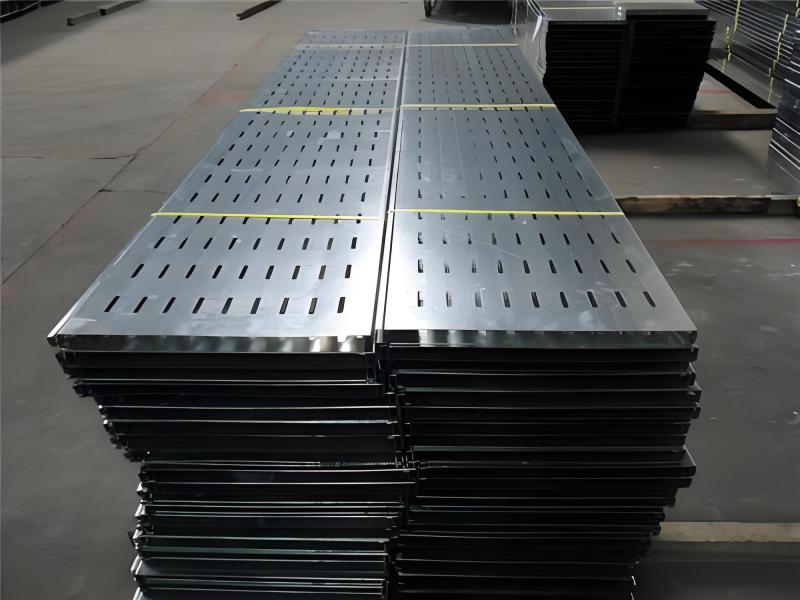
Perforated cable tray, also known as tray-type cable tray, is a systematic solution for cable management and layout. It is usually made of metal materials such as steel, stainless steel, aluminum alloy, etc., in addition to special materials such as fiberglass, so it has a strong structure and rigidity, and is widely used in engineering construction, industrial facilities, data centers, and commercial buildings. Protect and support cables from external physical impact and damage. The biggest design highlight of the perforated cable tray is that there are holes of different shapes and sizes at the bottom of the trough. These holes accelerate air circulation, which is conducive to improving the heat dissipation of cables and ensuring the normal operation and operation of cables. The surface processing technology generally includes hot-dip galvanizing, electro-galvanizing and spraying. At JLH, we have a government-approved “zinc pool” that supports zinc layer processing of different thicknesses, while also ensuring the stability of product quality. In short, perforated cable tray is an efficient cable management system that plays an irreplaceable and important role in industrial and commercial places.

2. What Are The Main Types Of Perforated Cable Tray?
2.1 Perforated Cable Tray
Perforated cable tray is a metal-made cable management tool. Its design features multiple holes on the bottom or side, which not only reduce the weight of the tray, but also increase ventilation. This design makes cable installation and maintenance more convenient, while promoting air circulation and effectively helping the cable dissipate heat. These trays are mainly made of steel, aluminum alloy or stainless steel, ensuring their high strength and long-term durability, making them an ideal choice for various cable layout needs.
2.2 Semi-enclosed perforated cable tray
The semi-enclosed perforated cable tray combines the advantages of open and closed cable trays. Its bottom is designed to be perforated to optimize air circulation and heat dissipation, while its sides and top may be partially enclosed or open. This design not only maintains proper ventilation performance, but also provides a certain degree of protection for the cable. This tray can effectively prevent performance degradation caused by overheating of the cable. At the same time, it is made of materials such as steel, aluminum alloy or stainless steel to ensure its strength and durability during use, and adapt to the cable management needs in various environments.
2.3 Closed perforated cable tray
The closed perforated cable tray is a metal structure dedicated to cable arrangement and management. Its design features are that the bottom has perforations and it is closed all around. This design can effectively prevent external factors such as dust, moisture and debris from directly affecting the cable. This tray is usually made of steel or aluminum alloy to ensure that it has sufficient strength and durability. In order to adapt to different environmental conditions, its surface will be treated by hot-dip galvanizing or spraying to enhance its corrosion resistance and protection performance.
2.4 Adjustable perforated cable tray
Adjustable perforated cable tray is a special cable tray that combines ventilation, heat dissipation and flexibility. The bottom of this tray is designed with perforations to facilitate cable ventilation and heat dissipation, while the top and sides are closed, which protects the cables from interference from the outside environment. It can flexibly adapt to changes in cable layout and is very suitable for various indoor cable laying environments. The design of this tray takes into account both the heat dissipation needs of the cables and the protection of the cables, making it an ideal choice for cable management.
3.What Are Advantages Of Perforated Cable Tray?
3.1 Easy maintenance and cleaning
The porous design of the perforated cable tray promotes air circulation, which not only helps the cable dissipate heat, but also makes cleaning easier. Cleaning staff can directly flush the cables through these holes, which greatly simplifies the cleaning process and makes daily maintenance more efficient.
3.2 Excellent heat dissipation capacity
Due to its open structure, the perforated cable tray allows air to flow freely, which helps the heat generated by the cables to quickly dissipate to the surrounding environment. This rapid heat exchange helps to reduce the operating temperature of the cable, thereby improving the safety and reliability of the entire electrical system. This design is particularly important for high-power or high-density wiring systems that may generate a lot of heat, as it effectively reduces the heat accumulation between cables.
3.3 Strong and durable structure
Perforated cable trays, usually made of metal materials such as steel, aluminum alloy or stainless steel, have a solid structure and sufficient strength. These materials can withstand the weight of the cables and various external forces that may be encountered during handling. In addition, the design of the tray not only takes into account heat dissipation, but also enhances overall stability and durability.
3.4 Excellent corrosion resistance
The surface of the perforated cable tray is usually galvanized to form a protective layer of zinc. This layer of zinc can effectively resist corrosion from environmental factors such as moisture, rain and chemicals, thereby protecting the tray, enhancing its stability and extending its service life.
These characteristics make perforated cable trays an ideal choice for electrical installations, especially in application scenarios with high requirements for safety, reliability and maintenance convenience.


4.How To Choose The Right Perforated Cable Tray?
When choosing a perforated cable tray, you need to consider multiple factors, such as the number and diameter of cables, the specific installation environment, and cost. Here are some key aspects that need to be prioritized:
4.1 Size and Load Capacity
First, you must determine the number and size of cables that need to be accommodated to ensure that the selected perforated cable tray can fully accommodate and manage the cables. This is a crucial step in the selection process.
4.2 Environmental Conditions
- Temperature
The perforated cable tray should be used in a temperature range of -25°C to 60°C. Extreme temperatures outside this range may affect the stability of the tray’s coating and material, thereby affecting the service life of the tray.
- Humidity
In order to extend the service life of the perforated cable tray, the humidity of the environment in which it is used is best controlled below 95%. Even if the tray surface is protected by a zinc layer, a high humidity environment will accelerate the corrosion process.
- Corrosive Environment
If the perforated cable tray is frequently exposed to a corrosive environment, such as chemicals, salt, or humid water vapor, these factors may cause corrosion and damage to the tray. Therefore, it is necessary to regularly check the surrounding environment and carry out necessary treatment, or adopt special anti-corrosion measures such as hot-dip galvanizing or spraying anti-corrosion paint to enhance the corrosion resistance of the cable tray.
- Dust and debris
When using perforated cable trays in dusty environments, dust and debris may accumulate in the cable duct, which will affect the performance and heat dissipation of the cable. Selecting perforated cable trays with covers can improve their integrity and sealing, and reduce the accumulation of dust and debris. At the same time, regular cleaning and maintenance of cable trays are also necessary to prevent the accumulation of dust and debris from affecting the performance of the cable.
4.3 Cost and Budget
Although the initial manufacturing cost of perforated cable trays may be high, their durability and low maintenance can save costs in the long run and are highly cost-effective. When choosing, in addition to considering the purchase price, subsequent costs such as installation, maintenance, and possible replacement costs should also be considered.
5. Conclusion
Choosing a perforated cable tray that suits you needs to consider multiple factors, including cable size, environmental conditions, installation method, load capacity, and cost. Only by carefully evaluating these factors can you select the cable tray that best suits your project needs and ensure the safety and efficient operation of the cables.
JLH Electric is a professional manufacturer of various cable trays with more than ten years of manufacturing experience. We have a professional team that is always committed to product quality and meeting customer needs. If you have any questions about the product, please feel free to contact us and we will serve you wholeheartedly.