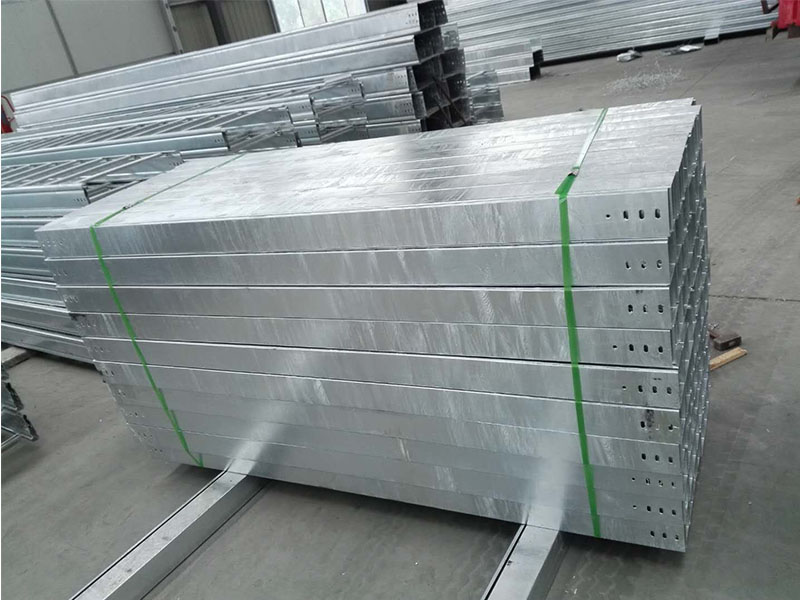
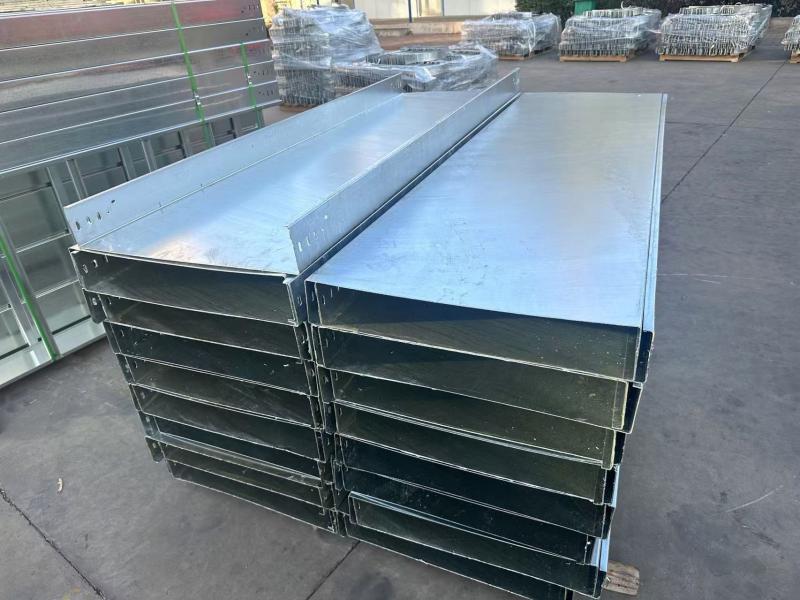
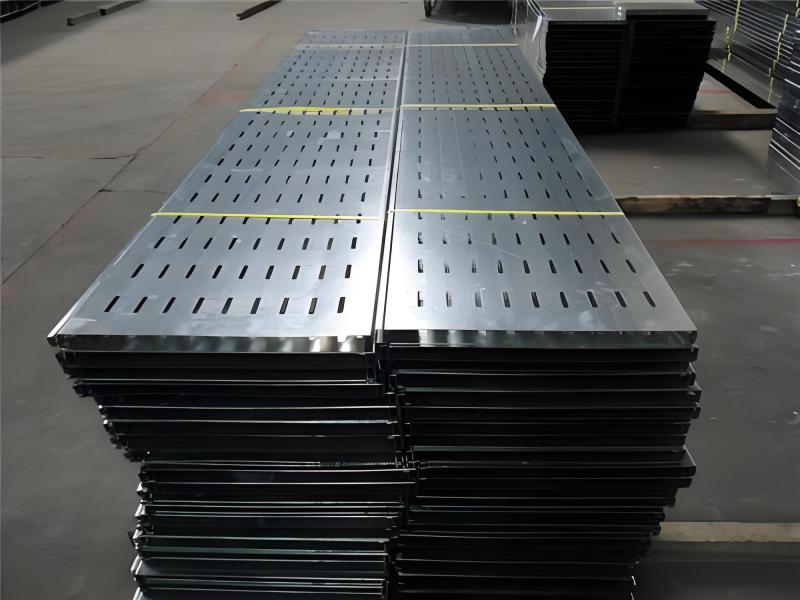
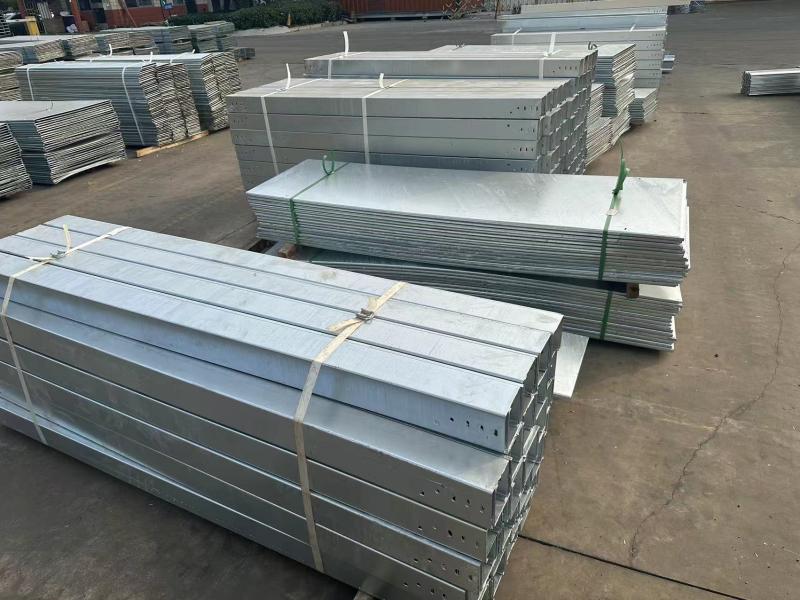
In the field of industrial and commercial cable layout, perforated cable trays and ladder type cable trays are two widely used cable management tools. These cable trays are mainly made of metal materials such as steel, stainless steel, and aluminum alloy. They are widely praised for their excellent strength and durability. They provide the necessary protection for cables and prevent them from being corroded by physical damage and other environmental factors. Although the two trays have similarities in core functions, their respective structural designs lead to obvious differences in practical applications and characteristics. Generally speaking, perforated cable trays are more suitable for supporting lighter cables, while ladder type cable trays are more suitable for carrying heavier cable loads. We will conduct a detailed comparative analysis of these two cable trays from the following aspects:
- What Is Perforated Cable Tray?
- What Is Ladder Type Cable Tray?
- What Are Similarities Of Perforated Cable Tray And Ladder Type Cable Tray?
- What Are Differences Of Perforated Cable Tray vs Ladder Type Cable Tray?
- How To Choose Right Cable Tray Between Perforated vs Ladder Type Cable Tray?
- Conclusion
JLH Electric, with more than 10 years of professional manufacturing experience, focuses on creating high-quality cable trays. We use cutting-edge production technology and perfect manufacturing processes to provide durable and high-performance cable trays for the industrial field. The purpose of this article is to analyze the differences between perforated cable trays and ladder type cable trays to help you make an informed decision based on your actual needs. By deeply understanding the characteristics of these two cable management solutions, you can more accurately grasp their applicable occasions and advantages, and then select the most suitable cable management products for your engineering projects.
1.What Is Perforated Cable Tray?
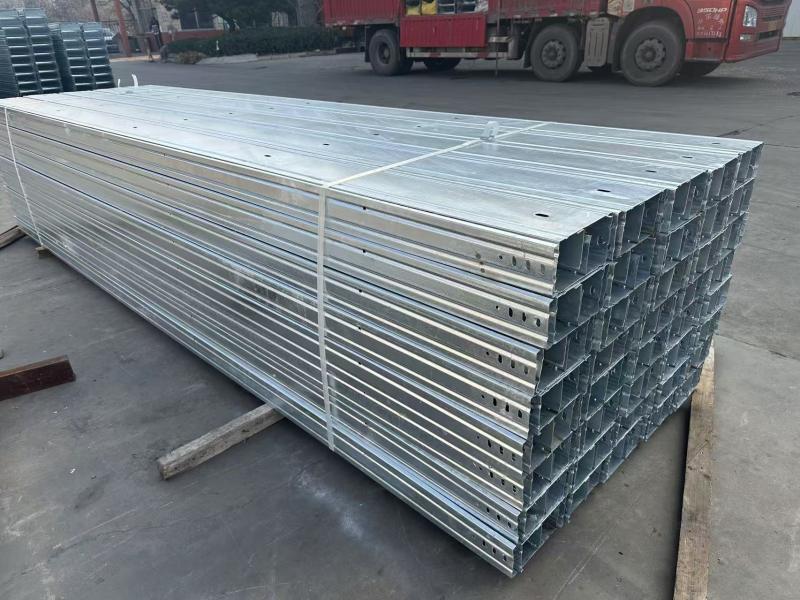
Perforated cable tray is a specially designed cable management solution, which is characterized by multiple evenly distributed holes that allow cables to pass through, facilitating the arrangement and management of cables. Perforated cable trays are available in a variety of materials, such as stainless steel, galvanized sheet, hot-dip galvanized, PVC, etc., which are suitable for different installation and use environments. This Perforated cable tray has the advantages of light weight, large load, beautiful shape, simple structure, and easy installation. It is suitable for use scenarios with high requirements for cable heat dissipation and is widely used in petroleum, chemical, electric power, communications and other fields. Perforated cable trays also have good ventilation performance, which helps the heat dissipation of cables and also facilitates the inspection and maintenance of cables.

2.What Is Ladder Type Cable Tray?
Ladder type cable tray is a non-enclosed cable tray. It consists of trapezoidal side panels and crosspieces, and its shape is similar to a ladder, hence the name. Ladder type cable trays are usually made of metal structures such as steel, aluminum, and stainless steel, so they have a strong structure and good bearing capacity. ladder type cable trays are light, low cost, and have good heat dissipation and air permeability, making them suitable for laying high-voltage cables. Due to the openness of their structure, ladder type cable trays facilitate cable laying and maintenance, and are also conducive to cable heat dissipation, reducing safety hazards caused by cable overheating. In addition, ladder type cable trays have strong carrying capacity and are suitable for cable laying in large-span locations. In terms of installation and maintenance, ladder type cable trays are also more convenient and suitable for applications in various industrial and commercial environments.
3.What Are Similarities of Perforated Cable Tray And Ladder Type Cable Tray?
3.1 Similar Materials
Whether it is a perforated cable tray or a ladder type cable tray, they are usually made of sturdy materials such as steel, stainless steel, aluminum alloy, fiberglass, etc., which can provide good support and protection for cables.
3.2 Good Heat Dissipation Performance
Due to the open design of perforated cable trays and ladder type cable trays, they both have excellent ventilation and heat dissipation effects, which help cables dissipate heat and maintain normal operation.
3.3 Easy To Install And Maintain
Since both cable trays adopt an open structure, it is very convenient to install and maintain cables, making subsequent maintenance and care simple.
3.4 Similar Manufacturing Process
The manufacturing process of perforated cable trays and ladder type cable trays is similar, including sheet forming, grooving, cutting, bending, and various post-processing steps such as cleaning, marking, packaging, annealing, painting, electroplating and welding. They also have similar surface treatment processes such as powder coating, galvanizing, hot dip coating, anodizing, etc.
3.5 Similar Functions
Both perforated cable trays and ladder type cable trays have the functions of supporting, arranging and managing cables. They have similar functions and are widely used in construction projects, infrastructure construction, industrial facilities and commercial buildings, playing a very important role.

4.What Are Differences Of Perforated Cable Tray vs Ladder Type Cable Tray?
4.1 Structural Differences
Perforated cable trays are made of continuous metal plates with holes punched in them to allow air circulation and heat dissipation. This design makes them more common in lighter weight cable installations. Ladder type cable trays, on the other hand, are made of a series of parallel metal crossbars, similar to the structure of a ladder, providing greater load-bearing capacity and stability.
4.2 Load-bearing Capacity Differences
Perforated cable trays are generally used to carry lighter cable loads due to their lighter structure. Ladder type cable trays, on the other hand, are suitable for carrying heavier cable loads due to their stronger structure, especially in industrial environments.
4.3 Installation Flexibility Differences
Perforated cable trays are relatively easy to install due to their simpler structure, making them suitable for quick installation and adjustment. Ladder type cable trays may require more time and labor to install, but due to their stability, they provide better support once installed.
4.4 Maintenance And Cleaning Differences
Due to the presence of holes, dust and debris may accumulate more easily in perforated cable trays and require regular cleaning. ladder type cable trays are relatively easy to maintain due to their closed nature, dust and debris are not easy to accumulate.
4.5 Cost Considerations Differences
Perforated cable trays are generally low-cost and suitable for projects with limited budgets. ladder type cable trays may cost more due to their materials and manufacturing process, but provide better durability and load-bearing capacity.
4.6 Aesthetics Differences
Perforated cable trays may be more suitable for indoor environments that require aesthetics due to their simpler design. ladder type cable trays have a more rugged structure and may be more suitable for industrial or outdoor environments, which do not require as much aesthetics as indoor environments.
5. How To Choose Right Cable Tray Between Perforated vs Ladder Type Cable Tray?
5.1 Load-bearing Capacity
Perforated cable trays generally have a lower load-bearing capacity and are suitable for light cable laying. ladder type cable trays, on the other hand, have a stronger structure and can carry large cables of larger diameters and sizes, and have extremely strong load-bearing capacity. Therefore, if heavy cables are involved in the project, ladder type cable trays may be a more suitable choice.
5.2 Environmental Conditions
Consider the environment where the cable tray will be installed, such as temperature, humidity, corrosiveness, etc. ladder type cable trays may be more suitable for harsh environments due to their closed nature, while perforated cable trays are suitable for environments that require heat dissipation due to their ventilation. For example, fiberglass cable trays offer higher corrosion resistance than steel and are suitable for a variety of corrosive environments.
5.3 Cable Protection Needs
If the cables require more physical protection, ladder type cable trays can provide better protection due to their structural characteristics. If the cables require better ventilation and heat dissipation, perforated cable trays are a better choice. For example, stainless steel cable trays are suitable for use in environments with chlorides due to their corrosion resistance.
5.4 Aesthetics And Design Requirements
Perforated cable trays may be more suitable for indoor environments that require aesthetics due to their openness and visible cables. ladder type cable trays are suitable for industrial or outdoor environments that do not require as much aesthetics as indoor environments due to their sturdiness and closedness.
5.5 Cost-effectiveness
Budget considerations are necessary. Cable trays of different materials and types have different prices. Perforated cable trays are generally less expensive and suitable for projects with limited budgets. Although ladder type cable trays are more expensive, they provide better load-bearing capacity and durability. For example, by optimizing the layout and routing of cable trays, significant reductions in material and installation costs can be achieved.
6.Conclusion
Both perforated cable trays and ladder type cable trays are solutions for cable management. They both feature strong materials, good heat dissipation, and easy installation and maintenance. Perforated cable trays are suitable for light cable laying and environments that require heat dissipation due to their light weight and ventilation, while ladder type cable trays are more suitable for heavy cables and harsh environments due to their sturdiness and load-bearing capacity. When choosing, you need to consider various needs such as load-bearing requirements, environmental conditions, cable protection, aesthetic requirements, and cost-effectiveness to choose the cable tray that best suits you.
JLH Electric specializes in the production of perforated cable trays, ladder type cable trays, and cable trunkings, and has won recognition from customers at domestic and overseas for its stable quality and market-competitive prices. If you need cable trays, plea