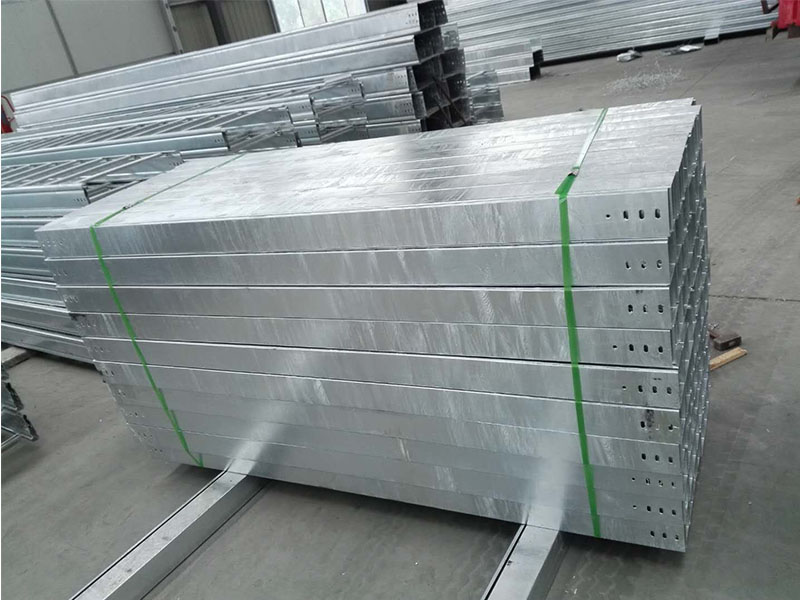
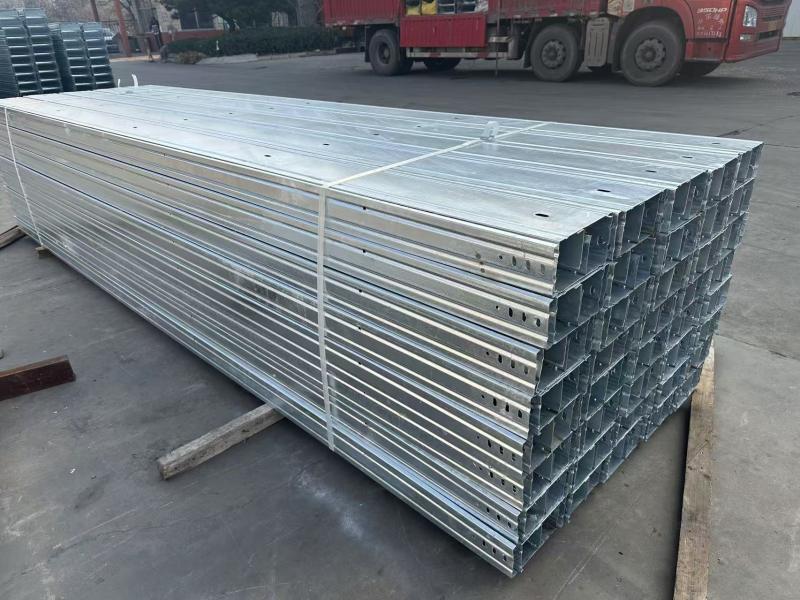
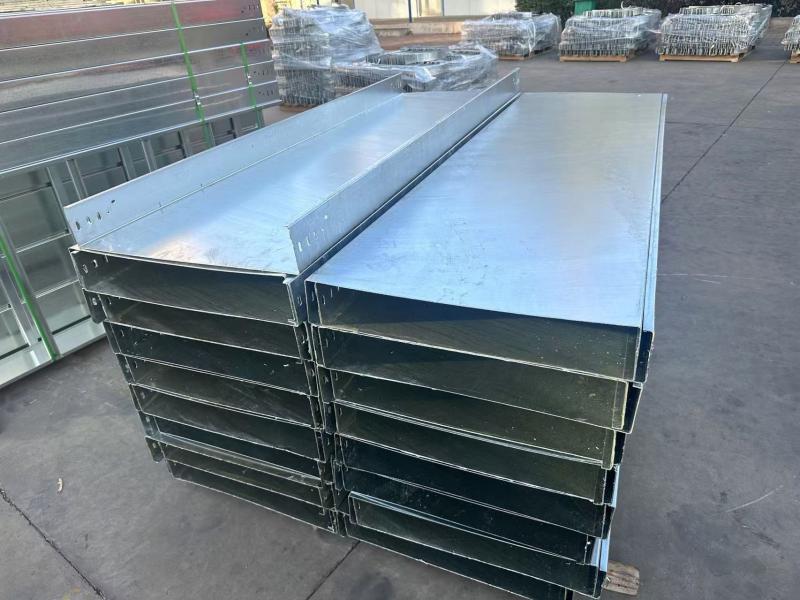
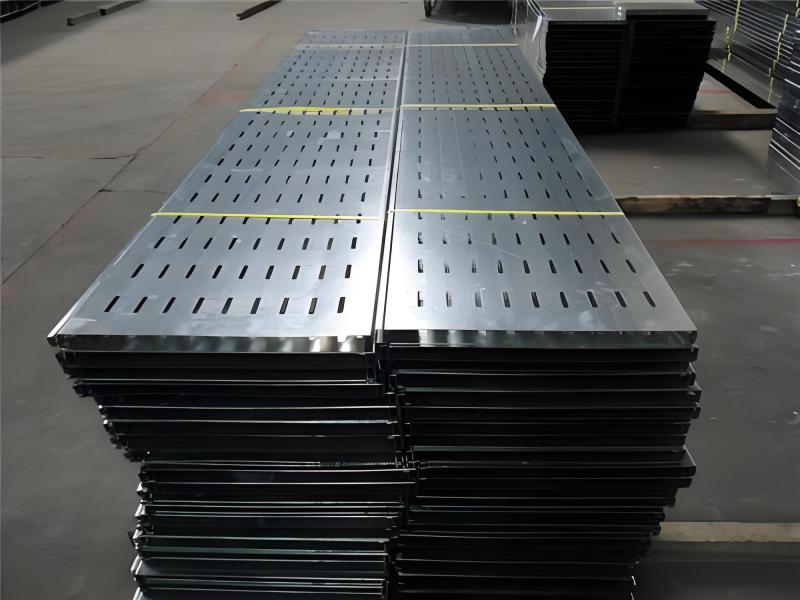
HDG Cable Tray, also known as Hot Dipped Galvanized Cable Tray, is a durable, versatile, and cost-effective cable tray system suitable for various cable support and management applications. .JLH Electric has owned hot dipped galvanized workshop .Galvanization is a common method used to protect metal surfaces from rust and corrosion.The process of hot-dip galvanization involves immersing the cable trunking in a bath of molten zinc. The zinc coating adheres to the surface of the trunking, providing a protective barrier against environmental elements such as moisture, humidity, and chemicals that can cause corrosion.
Shandong Jinheng Electric Co Ltd has owned hot dipped galvanized workshop itself. And we can well control the hot dipped galvanized quality, delivery time and production process. In this article, let’s explore the definition, benefits and application of hot dipped galvanized cable tray. We think it will help you to understand the this type of cable tray.
- What Is Electric HDG Cable Tray?
- How Does Electric HDG Cable Tray Work?
- What Are Benefits of Electric HDG Cable Tray?
- How To Order Custom Electric HDG Cable Tray?
1.What Is Electric HDG Cable Tray ?
An electric HDG (Hot Dip Galvanized) cable tray is a type of cable management system used to support and route various electrical cables, wires, and conduits in industrial, commercial, and infrastructure applications.
1.1 Hot Dip Galvanized Construction
The cable tray is made of steel that has been coated with a layer of zinc through a hot-dip galvanization process.This galvanized coating provides excellent corrosion resistance, making the cable tray suitable for use in harsh or corrosive environments.
1.2 Strength and Load-Bearing Capacity
The galvanized steel construction provides high strength and load-bearing capacity, allowing the tray to support a significant amount of weight from the cables and wires it carries.This makes it suitable for use in applications with heavy cable loads, such as in industrial facilities, power plants, or large commercial buildings.
1.3 HDG Cable Tray Versatility
Electric HDG cable trays come in various sizes, shapes, and configurations to accommodate different cable management needs.They can be straight, elbow-shaped, or have other custom designs to route cables around obstacles or through different areas.Accessories like fittings, supports, and covers can be used to create a complete cable management solution.
1.4 Easy of Installation and Maintenance
The modular design of HDG cable trays allows for easy installation and modifications as needed.
The galvanized finish requires minimal maintenance and can withstand corrosion, making it a durable and long-lasting solution.Electric HDG cable trays are commonly used in industries such as manufacturing, power generation, infrastructure, and commercial buildings to provide a reliable and organized way to manage and route electrical cables and wires.


2.How Does Electric HDG Cable Tray Work ?
The electric HDG (Hot Dip Galvanized) cable tray works by providing a secure and organized path for routing and supporting electrical cables, wires, and other electrical components. Here’s how it works:
2.1 Cable Placement
The cables, wires, and other electrical components are placed inside the cable tray, which serves as a support structure.The tray’s perforated or slotted design allows for easy insertion and routing of the cables.
2.2 Cable Tray Configuration
The cable tray can be configured in various shapes and sizes to accommodate the specific cable routing needs of the application.Straight sections, bends, junctions, and other accessories can be used to create the desired cable management layout.
2.3 Structural Support
The galvanized steel construction of the cable tray provides high strength and load-bearing capacity.This allows the tray to securely support the weight of the cables, wires, and any additional components, such as cable trays, cable ladders, or cable tray covers.
2.4 Corrosion Resistance
The hot-dip galvanization process applies a protective zinc coating to the steel, making the cable tray highly resistant to corrosion.
This corrosion resistance is particularly important in environments with harsh, damp, or corrosive conditions, where the cable tray needs to withstand exposure to various environmental factors.
2.5 Cable Organization and Routing
The cable tray system helps to organize and route the cables in a neat and orderly manner, reducing the risk of tangling or damage.
This improves the overall aesthetics, accessibility, and maintainability of the electrical installation.
2.6 Accessibility and Inspection
The open design of the cable tray allows for easy access to the cables and wires, facilitating inspection, maintenance, and future modifications.
By providing a sturdy, corrosion-resistant, and organized cable management solution, the electric HDG cable tray helps to ensure the reliable and safe operation of electrical systems in various industrial, commercial, and infrastructure applications.


3. What Are Benefits of Electric HDG Cable Tray ?
The significant advantage of steel cable tray is their versatility. They can be easily customized to fit specific requirements, whether in terms of size, shape, or load capacity. This adaptability makes them suitable for a wide range of applications, from electrical and telecommunications installations to industrial and commercial building projects. Moreover, steel cable tray allow for easy installation and modifications. Cables can be laid in and removed from the cable tray without the need for disassembling the entire structure, which facilitates maintenance and upgrades.
3.1 Corrosion Resistance
The hot-dip galvanization process provides a robust, uniform zinc coating that offers exceptional protection against corrosion.
This makes electric HDG cable trays highly resistant to the effects of moisture, chemicals, and other environmental factors, ensuring a long service life.
3.2 HDG Cable Tray Durability
The galvanized steel construction of electric HDG cable trays provides superior strength and rigidity, allowing them to support heavy cable loads without deformation or failure.
These cable trays can withstand physical impacts, vibrations, and other stresses encountered during installation and use.
3.3 Fire Safety
Galvanized steel is inherently non-combustible, making electric HDG cable trays a safer choice for routing cables in areas with fire hazards.
The cable tray design can also help contain the spread of fire and prevent the propagation of flames along the cable routes.
3.4 Thermal Management
Many electric HDG cable trays feature a perforated design, which promotes better airflow around the cables.This improved air circulation can help dissipate heat buildup, contributing to the thermal performance and extended lifespan of the cables.
3.5 HDG Cable Tray Versatility
Electric HDG cable trays are available in a wide range of sizes, shapes, and configurations to accommodate various application requirements.
The modular design allows for easy integration, expansion, and customization of the cable management system.
3.6 Easy Installation
Compared to solid-bottom cable trays, electric HDG trays are generally lighter in weight, making them easier to handle and install.The availability of pre-engineered components and accessories facilitates efficient cable routing and system configuration.
3.7 Cost-Effectiveness
While the initial investment in an electric HDG cable tray may be higher than some alternative options, the long-term cost savings can be significant.The HDG cable tray’s exceptional durability, corrosion resistance, and reduced maintenance requirements can offset the higher upfront costs.
4.Summary
Hot dipped galvanized cable tray is not only eco-friendly but also acts as a non-conductor of electricity with excellent flame-retardant properties. It offers a wide range of advantages, including corrosion resistance, durability, longevity, versatility, ease of installation, and sustainability. These qualities make it a reliable and preferred choice for cable management solutions in diverse environments.
However, when selecting cable trunking for specific applications, it is important to consider local regulations, environmental conditions, and the expected service life of the cable tray. Consulting industry experts or referring to specific standards can help determine the most suitable cable tray solution for your particular needs. Additionally, the required coating thickness may vary based on regional and industry standards. To ensure the appropriate coating thickness for your specific application, it is crucial to consult the relevant specifications and guidelines.
JLH Electric mainly manufacture all kinds of cable tray, cable ladder, cable trunking,for example, galvanized, hot dip galvanised, aluminum alloy, stainless steel, PVC, FRP, etc. Size can be customized. Free samples can be provided if request.